

اللغة
:

اللغة
:

Glycidylamine epoxy resin YLSE-0600 is a trifunctional epoxy resin carrying three glycidyl groups on an aromatic amine, published at CAS 71604-74-5. Yolatech lists a tetrafunctional second entry in that glycidylamine epoxy resin class, YLSE-721 at CAS 28768-32-3, on a diphenylmethane amine backbone.
The nitrogen carries two glycidyl groups and the aromatic ring carries the third. One molecule therefore presents three reaction sites, not the two found in bisphenol A diglycidyl ether. That backbone separates the glycidylamine epoxy resin from an ether grade of similar EEW.
Higher functionality raises crosslink density, so the class is specified where heat resistance and low shrinkage matter. The product page states that YLSE-0600 suits composites, adhesives and laminating systems, with high-temperature-resistant composites and resin modification as primary uses.
The same page warns that even moderate amounts, when cured with aliphatic amines, can develop sufficient exotherm to cause charring and smoke evolution. Mass limits and staged cure therefore belong in the process sheet.
Table 1 reproduces both specification sheets without conversion. The viscosity rows are not comparable across columns, because the measurement temperatures differ.
Table 1. Values as published on the two product pages.
| Item | YLSE-0600 | YLSE-721 |
| Chemical name | 3-Glycidyloxy-N,N-diglycidylaniline | 4,4'-Methylenebis(N,N-diglycidylaniline) |
| CAS number | 71604-74-5 | 28768-32-3 |
| Nominal functionality | 3 | 4 |
| Appearance | Reddish brown viscous liquid | Yellow liquid |
| EEW, g/eq | 100–110 | 105–120 |
| Viscosity, cps | 10000–25000 at 25 °C | 3000–7000 at 50 °C |
| Color, Gardner | max. 11 | max. 10 |
| Volatiles, % | max. 1.0 | max. 0.6 |
Within the 721 family the YLSE-721C and YLSE-721L grades share an EEW window of 110–125 g/eq. The page separates them by lower viscosity and lower price. It quotes 721L at 6000–11000 cps at 25 °C, the only room-temperature figure in that sheet.
Amine dosage follows phr = 100 × AHEW ÷ EEW. YLH-9101 is published at AHEW 92 g/eq and at 48 phr against a 190 g/eq liquid bisphenol A resin. Entering the glycidylamine EEW lifts the requirement, as Table 2 shows. All figures are theoretical.
Table 2. phr calculated from the published EEW windows; the hardener equivalent weight is 92 g/eq.
| Resin | EEW used, g/eq | YLH-9101, phr |
| YLSE-0600 | 110 / 100 | 84 / 92 |
| YLSE-721 | 120 / 105 | 77 / 88 |
| Liquid BPA resin, reference | 190 | 48 |
A loading near 90 phr makes the hardener a large fraction of the mix, which compounds the exotherm warning above. Where an aromatic amine or an anhydride is preferred for a high-glass-transition composite, the equivalent weight is not stated. Confirm it against the TDS.
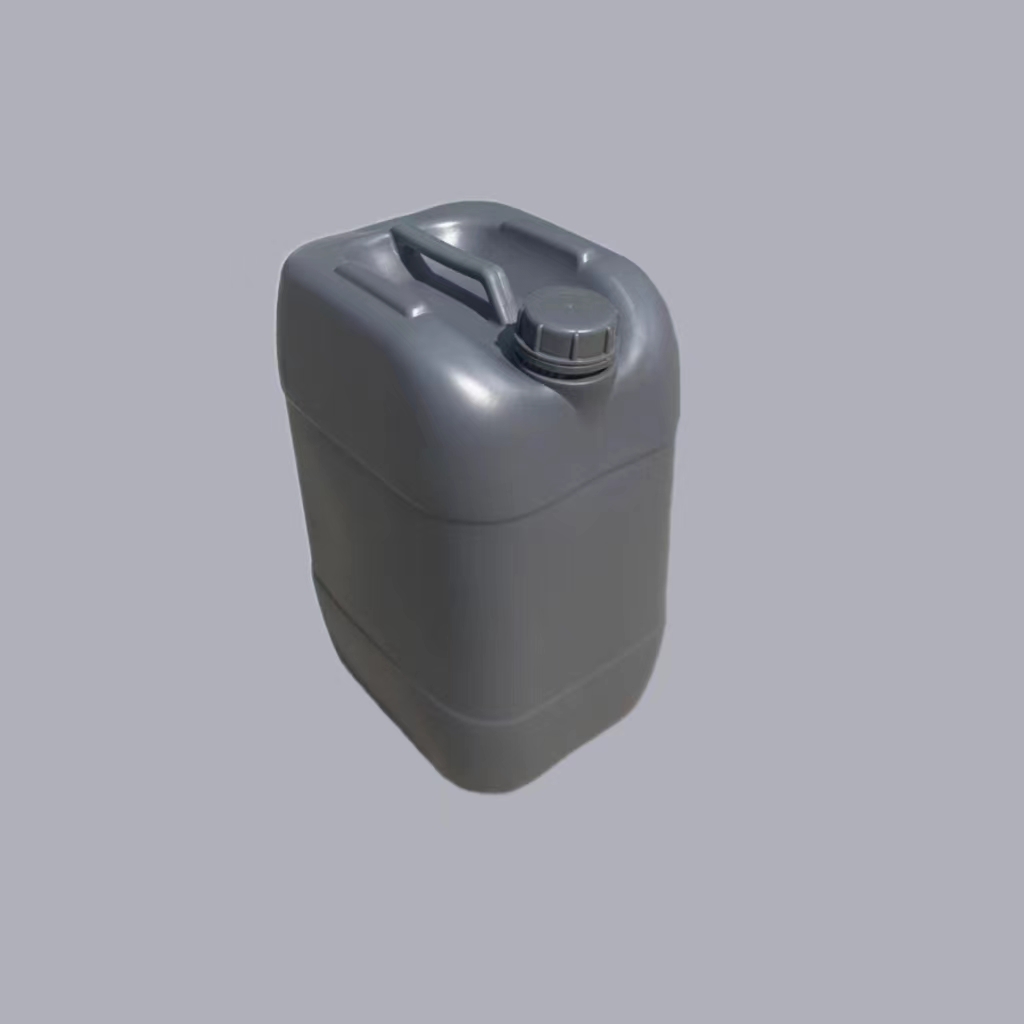
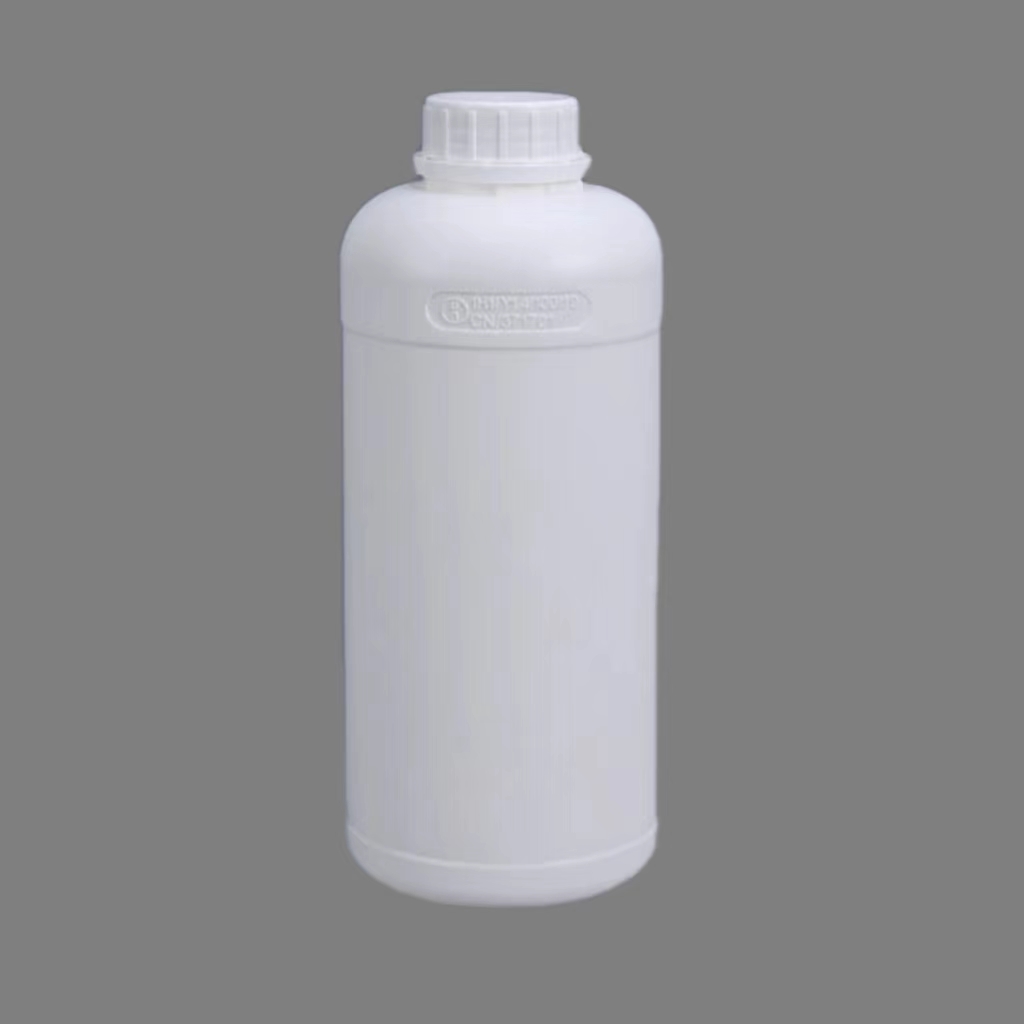
Viscosity decides the process: 10000–25000 cps at 25 °C suits laminating, adhesive and coating work. The 721 family at 3000–7000 cps at 50 °C is positioned for filament-wound high-temperature composites. Both are supplied in drums with a six-month stated shelf life.
A 500 g sample and the current TDS for the grade under evaluation are the next step. Check EEW, Gardner color and volatiles on the delivered lot before fixing the phr.

 شبكة IPv6 المدعومة